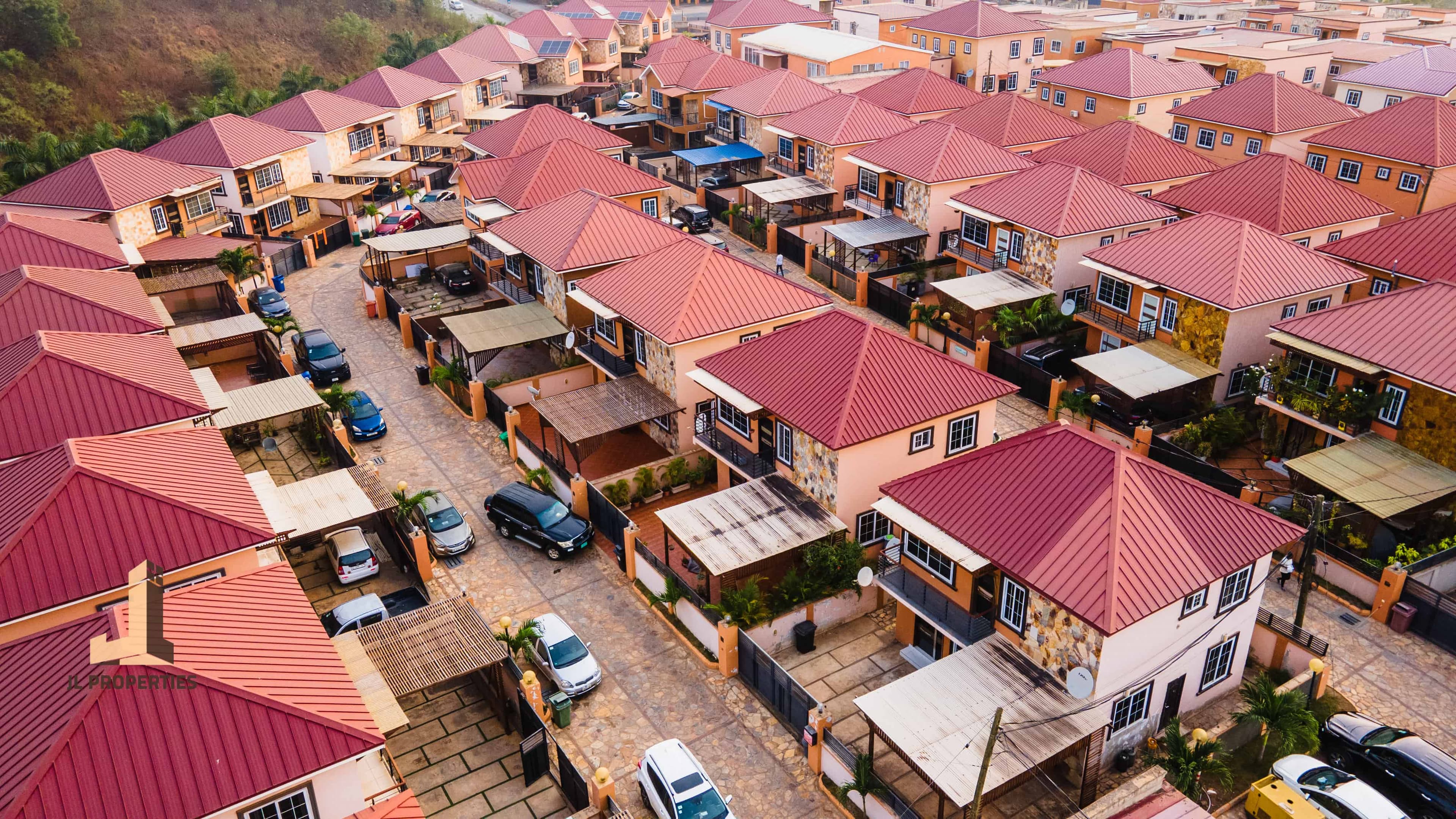
Ghana’s housing affordability crisis becomes clearer when one considers the estimated 165,000 individuals employed in the public sector, earning an average salary of about GH₵1,000. This economic reality signals a major gap between income levels and housing costs. Addressing this issue requires more than simply budgeting for or contracting loans to build so-called "affordable" housing units, which often remain out of reach for the majority of Ghanaians. Instead, the vision must focus on enhancing productivity, increasing wages, and developing housing strategies that genuinely support low- to middle-income earners.
In response to similar challenges, many countries have shifted from affordable housing schemes to more inclusive and sustainable social housing strategies. This transition has yielded significant results in countries like France, the Netherlands, Finland, Sweden, and Austria. Effective social housing policies not only expand employment opportunities in the construction sector, but also stimulate local economies and support broader development goals, including environmental sustainability, public health, and social cohesion.
Social housing takes different forms depending on the regional context. In Europe, it is typically defined by tenure models, the identity of service providers, funding structures, and the specific population served. In Africa, and especially in Ghana, social housing should be seen as a solution that accommodates both rental and homeownership tenures. These housing units are provided by local governments or private entities to serve households that are either unable to afford market-rate housing or are excluded due to social or economic vulnerabilities. Funding is primarily provided by national government allocations, often supplemented by local budgets and financing support from (semi-)government agencies such as the National Housing Authority.
The principles that guide social housing are availability, accessibility, affordability, and adequacy. Implementing these principles involves multiple stakeholders: mutual aid cooperatives, civic associations, non-profit housing developers, NGOs, philanthropic organizations, and technical agencies associated with social movements. According to global literature on housing policy, these groups—especially housing cooperatives, NGOs, and local governments—play crucial roles in social housing development.
Ghana’s own institutional landscape includes 18 trade unions with a combined membership of around 500,000. The central purpose of these unions is to promote the welfare of their members, and if that mandate is taken seriously, housing should become a top priority. After all, secure and affordable housing is a foundational element of personal well-being and worker productivity. Moreover, the country’s 254 Metropolitan, Municipal, and District Assemblies (MMDAs) possess considerable, yet underutilized, revenue-generating potential that could be channeled into supporting housing initiatives in collaboration with the central government.
Given the scale of Ghana’s housing challenge, it is crucial to study models from other countries that have successfully housed people across different income levels. This requires a concerted and inclusive effort involving all relevant actors—NGOs, housing cooperatives, trade unions, local authorities, and the national government—to deliver real social housing solutions that are accessible and affordable for the average Ghanaian.
Recommendations for Moving Forward
To effectively respond to the housing crisis, Ghana must explore social housing as a serious alternative to the existing affordable housing approach, which has largely failed to serve its target demographic. Research on this issue reveals several structural and operational challenges that must be addressed for social housing policies to succeed.
First, there is a fundamental lack of clear and comprehensive understanding of the housing problem in Ghana. Despite ongoing discussions and expert contributions, the more the issue is debated, the more complex and confusing the policy landscape becomes. There is limited understanding of both the supply and demand sides of the housing market. Housing provision should be understood as a network of interdependent organizational activities that both respond to and shape shifting socio-economic, environmental, technological, and political realities. A more grounded understanding of the housing ecosystem will enable the development of effective policy interventions, with social housing as a key pillar.
Second, the formulation of sound housing policy is hindered by the absence of reliable data and systematic analysis. Ghana continues to place limited emphasis on research, making data collection and housing market monitoring inadequate. Establishing a national system for gathering and periodically analyzing housing-related data at the local level is vital. Without this foundation, policy formulation remains speculative at best. For social housing to thrive, investment in data infrastructure and research is indispensable.
Third, the success of any social housing policy depends on broad-based collaboration. The government must actively coordinate with NGOs, workers' unions, pension schemes, voluntary housing organizations, local authorities, and private investors. All these stakeholders bring unique strengths and resources that can contribute to a holistic housing strategy.
Finally, the financial sector must be strengthened to support social housing development. Ghana’s current financial institutions lack the robustness and security needed to offer instruments tailored to low-income individuals and groups excluded from the formal housing market. Without proper financial support systems, private developers, cooperatives, and households alike struggle to secure the resources required to develop or access decent housing. Therefore, the government should prioritize financial reforms aimed at empowering the sector to meet the diverse housing needs of its people.
Written by
JL Properties